
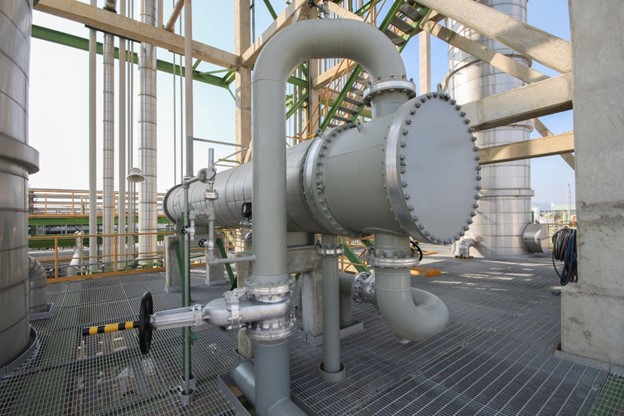
Heat Exchanger Pressure Drops and their Impact on Performance
Pressure drop is a key factor in the performance of shell tube exchangers, straight tube heat exchangers, shell heat exchangers, and tube heat exchangers. A sudden or gradual pressure loss can lead to inefficient heat transfer, increased energy use, and system failure. Understanding what causes pressure drops and knowing how to resolve them helps maintain efficiency and extend the life of your equipment.
What Causes Pressure Drops in Heat Exchangers?
Pressure drop occurs when fluid moves through a heat exchanger and encounters resistance. Several factors can contribute to this issue, including:
● Fouling and Blockages – Buildup of scale, rust, or biological growth can restrict flow and create excessive pressure loss.
● Plate or Tube Misalignment – In some systems, misaligned plates or tubes can disrupt the normal flow pattern.
● Internal Wear or Corrosion – Over time, wear and corrosion can create rough surfaces that slow down fluid movement.
● Improper Flow Rates – If the flow rate is too high or too low, it can increase pressure drop and reduce efficiency.
Monitoring pressure levels regularly can help identify early warning signs before they lead to system failure
How Pressure Drops Affect Performance
A tube heat exchanger relies on stable pressure to transfer heat efficiently. When pressure drops beyond acceptable levels, the system may struggle to function properly. Common issues caused by pressure loss include:
● Reduced heat transfer, making the system work harder to reach target temperatures
● Higher energy consumption as pumps and compressors compensate for inefficiencies
● Increased stress on equipment, leading to premature wear and potential breakdowns
● Unbalanced flow distribution, which can cause localized overheating or cooling
A sudden pressure drop may indicate a serious issue, while a gradual loss often points to fouling or component wear.
Checking for Blockages in a Heat Exchanger
Fouling is one of the most common causes of pressure drops in shell tube exchangers, straight tube heat exchangers, and shell heat exchangers. Identifying and removing blockages helps restore performance.
Steps to Inspect for Blockages:
● Measure Pressure Levels – Compare pressure readings at the inlet and outlet to identify any significant drop.
● Check Flow Rate – Reduced flow can indicate a buildup of deposits inside the heat exchanger.
● Inspect for Visible Fouling – If possible, open access points to check for scaling, sludge, or debris.
● Flush the System – Running a cleaning solution or water through the exchanger can help identify areas of restriction.
If blockages persist after basic cleaning, a more thorough inspection or manual cleaning may be necessary.

Addressing Internal Wear and Corrosion
Over time, heat exchangers experience wear from fluid movement, temperature fluctuations, and chemical exposure. Corrosion weakens internal surfaces, leading to rough patches that increase resistance and pressure loss.
Signs of Internal Wear:
● Unusual noise from fluid turbulence
● Visible rust or pitting on metal surfaces
● Frequent maintenance issues despite regular cleaning
● Higher-than-normal pressure drop readings
For minor wear, protective coatings or chemical treatments may help slow further deterioration. If corrosion has significantly damaged the exchanger, replacing worn components or installing a new unit may be the best solution.
How to Resolve Pressure Drop Issues
Restoring optimal pressure levels requires addressing the root cause. The right solution depends on whether the issue comes from fouling, misalignment, or component wear.
Common Solutions for Pressure Drops:
● Chemical Cleaning – Acid or alkaline solutions help break down scaling and biological buildup.
● Manual Cleaning – Disassembling the exchanger and physically removing deposits is necessary for severe blockages.
● Gasket and Seal Replacement – Leaks can contribute to pressure loss, so replacing worn gaskets can restore efficiency.
● Re-Tubing or Plate Replacement – If corrosion or wear has compromised components, replacing them helps maintain proper pressure and performance.
Regular maintenance can prevent many of these issues from developing.
Preventing Future Pressure Drop Problems
Maintaining shell tube exchangers, straight tube heat exchangers and shell heat exchangers reduces the risk of pressure loss and extends the system’s lifespan.
Best Practices for Preventing Pressure Drops:
● Use filtered fluids to minimize debris buildup.
● Schedule routine cleanings to remove deposits before they cause blockages.
● Monitor pressure levels regularly to catch problems early.
● Replace gaskets, seals, and worn components before they cause system failures.
Keep flow rates within manufacturer-recommended levels to prevent excessive strain.
Taking a proactive approach to maintenance helps avoid unexpected downtime and costly repairs
Get Expert Help with Pressure Drop Issues
If your heat exchanger is experiencing pressure loss or reduced performance, a professional inspection can help identify the problem. Whether you need cleaning, repairs, or a full system evaluation, RingHX has the expertise to restore your equipment’s efficiency.
Contact us at RingHX today to discuss your heat exchanger concerns and schedule an appointment for service.