
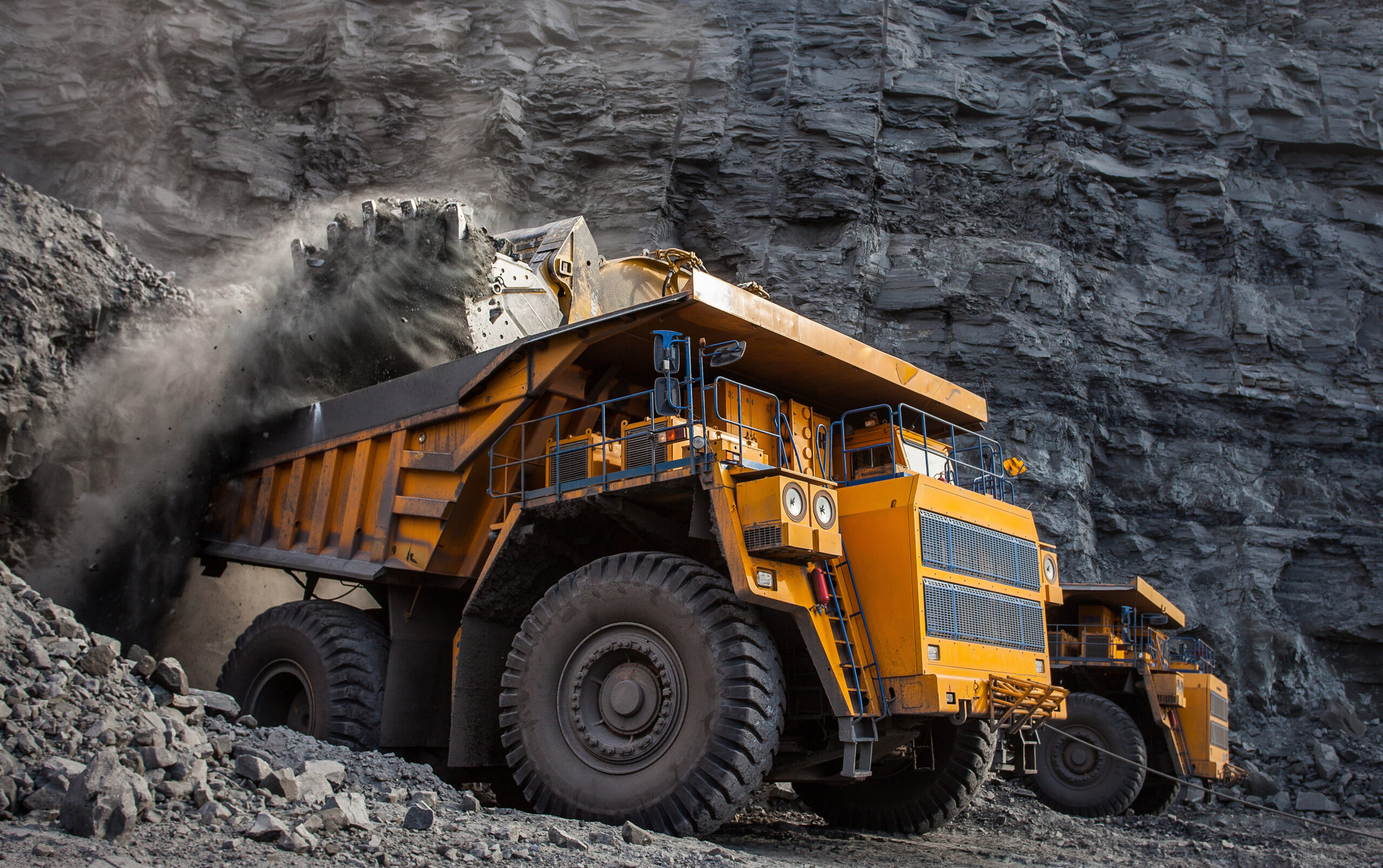
Maximizing Uptime: The Importance of Heat Exchanger Cleaning for Quarry Equipment
When you’re running a quarry, equipment downtime isn’t just frustrating, it’s also expensive. One idle crusher can stall your entire operation. A single loader out of commission can cost hours of output. That’s why quarry equipment maintenance is always at the top of every operations manager’s list.
But while most teams focus on hydraulics, engines, and belts, there’s one system that often gets ignored until it’s too late: the heat exchanger.
Heat exchangers keep your machines cool under pressure. When they’re clean, everything runs as it should. When they’re clogged with dust, oil, and debris, you’re asking for trouble.
Why Cooling Systems Matter More in Quarry Environments
Quarry operations run hot. You’re pushing heavy machines, loaders, crushers, conveyors, through long hours in dusty, abrasive conditions. And you’re doing it every day.
This environment clogs filters, restricts airflow, and pushes your cooling systems to the edge. If your heat exchangers are dirty or blocked, engines overheat. When that happens, you lose performance. And if ignored, you risk permanent damage to vital systems.
Your team might spot the symptoms like slow response, temperature spikes, or engine alarms, but the root cause is often deeper inside. It’s the buildup inside those cooling systems that’s quietly choking your machines.
What Happens When Heat Exchangers Get Dirty?
Dust, grime, and oil settle into the fins and tubes of your heat exchanger. It doesn’t take much to start restricting airflow or insulating the surfaces that need to stay cool. That buildup acts like a blanket, trapping heat and pushing your engine or hydraulic system beyond its limits.
Here’s what you might see on-site:
- Radiators that can’t keep up during peak hours
- Engines throttling back power to prevent overheating
- Hydraulic failures tied to high fluid temperatures
- Premature wear on seals, hoses, and compressors
Left unchecked, this strain leads to unexpected breakdowns. And in the quarry business, there’s no such thing as a good time for a breakdown.
The Cost of Not Cleaning
The cost of not cleaning your heat exchangers can be high, so let’s break it down with a simple example. Say your primary rock crusher overheats and goes offline for four hours. That’s four hours of trucks waiting, loaders idling, and production falling behind. Now multiply that by the number of machines that rely on efficient cooling, like excavators, crushers, screeners, and generators.
Even a 10% drop in system efficiency affects fuel usage, output, and the lifespan of your most expensive equipment.
Most operations don’t skip cleaning on purpose. It’s just that heat exchangers are out of sight and often not part of the daily checklist. But ignoring them can put your most critical assets at risk.
How Regular Cleaning Boosts Performance
When heat exchangers are cleaned properly, machines breathe easier. Fluids stay cooler. Performance goes back to full output. And fuel efficiency improves, because your engines aren’t constantly adjusting to manage heat.
With clean heat exchangers, you’ll see:
- More consistent operating temperatures
- Fewer shutdowns from overheating
- Longer life for engines and hydraulics
- Smoother, more reliable output from every system
Cleaning isn’t just about temperature. It’s about keeping your whole operation productive.
What Cleaning Should Look Like in a Quarry
Cleaning quarry equipment isn’t a quick rinse with a garden hose. This is heavy-duty gear operating in extreme environments. That means cleaning has to be precise, thorough, and done by people who know how to handle heat exchangers without damaging them.
At RingHX, we use techniques that target deep internal fouling, not just surface dust:
- Ultrasonic cleaning for delicate or high-precision cores
- Chemical flushes for stubborn scale or oil residue
- High-pressure washing with controlled spray angles to protect the fin structure
- Thermal inspection to spot weak zones or blocked channels
Our teams inspect and test every unit to make sure it’s running at full capacity before it goes back into your machine. And if you’re running a mixed fleet, we’ve probably seen your equipment before. With over 300 years of combined experience, there’s not much we haven’t fixed, cleaned, or rebuilt.
What Types of Equipment Need Cleaning?
If it runs hot and works in the dust, it needs cleaning. That includes:
- Jaw and cone crushers
- Front-end loaders
- Screening plants
- Conveyors with hydraulic drives
- Mobile generators and compressors
- Excavators and articulated haulers
Each unit has its own cooling demands and weak points. Some use plate heat exchangers, others have radiator stacks with multiple core layers. The cleaning method has to fit the design and the jobsite reality.
How Often Should You Clean?
That depends on the environment, the workload, and how often your machines run. In most quarries around the GTA, cleaning once or twice per year is enough to keep performance steady.
But for sites with fine dust, oily conditions, or high humidity, more frequent service makes sense. We always recommend a thermal scan or flow test if you’re not sure. It’s a quick, low-cost way to find out if you’re heading for a problem.
Proactive Maintenance Means More Uptime
Waiting until your machine throws a warning light is too late. Heat exchanger cleaning should be part of your quarry equipment maintenance plan, not an emergency fix.
By making it routine, you:
- Reduce repair costs
- Avoid production delays
- Extend the life of critical parts
- Improve energy efficiency
It’s not just about cleaning, it’s about protecting the productivity you’ve invested in.
Why Quarry Teams Across Ontario Call RingHX
At RingHX, we’ve been cleaning, repairing, and rebuilding heat exchangers across Toronto and beyond for decades. From Brampton to Barrie, Niagara to Guelph, we’re the go-to team when uptime matters most.
Our shop is equipped to handle units from any OEM. We’ve cleaned components from Caterpillar, Komatsu, Volvo, and dozens more. We work with quarry managers, mechanics, and maintenance teams who don’t have time for guesswork; they want results.
And we deliver:
- Fast turnaround times
- On-site pickup and delivery
- Detailed inspection reports
- Clear communication and real timelines
We’re not a parts warehouse or a call center. We’re a hands-on, field-tested team that knows what works in real conditions.
Let’s Keep Your Operation Running Strong
If your machines are overheating, slowing down, or showing signs of strain, don’t wait for a failure. Call the team that keeps Ontario’s quarry equipment cool and productive.
Our technicians are ready to inspect, clean, and return your heat exchangers to top shape, so you can focus on production, not repairs. Call us today for expert service across the GTA and beyond. From crushers to loaders, we’ll help you keep your equipment running, your costs down, and your uptime up.