
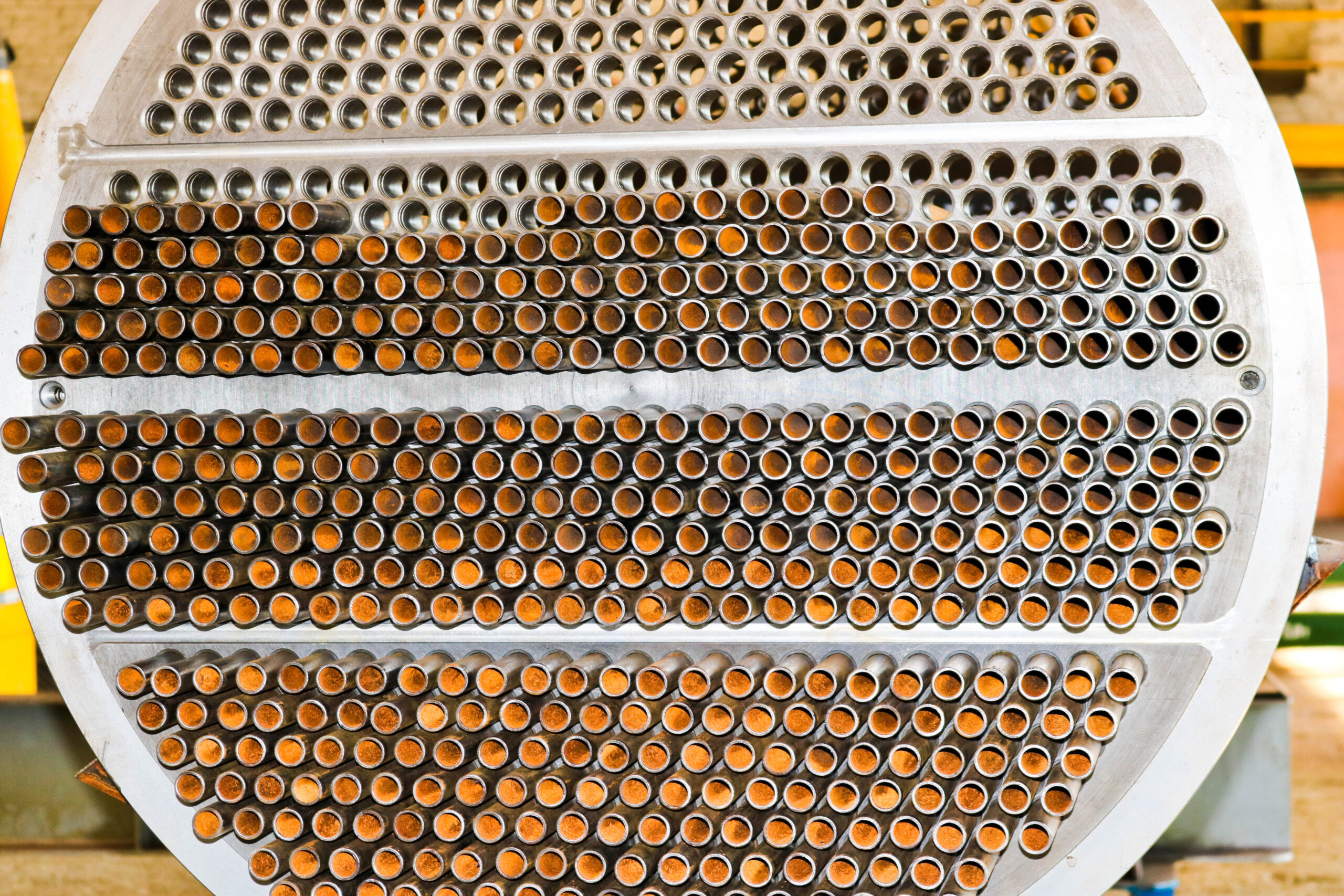
Heat Exchanger Cleaning: Preventing Downtime and Extending Equipment Life
Every hour of downtime costs money. In industrial plants, marine vessels, and commercial HVAC systems, heat exchangers play a vital role in keeping operations running efficiently. When they foul or corrode, performance drops, maintenance costs rise, and the risk of unscheduled shutdowns increases. Regular heat exchanger cleaning helps prevent those problems and keeps your equipment running at peak performance.
At RingHX, we specialize in restoring efficiency and reliability across every type of heat exchanger. From manufacturing facilities and marine engines to large commercial chillers, we handle cleaning projects that keep systems running longer and more efficiently.
Why Regular Heat Exchanger Cleaning Matters
Heat exchangers transfer heat between fluids to control temperatures in industrial processes, HVAC systems, and marine engines. Over time, deposits like scale, oil residue, biofilm, and corrosion build up on the exchanger surfaces. This buildup, which is known as fouling, acts as insulation and limits heat transfer.
When fouling takes hold, systems must work harder to achieve the same performance. That means higher energy costs, more wear on components, and greater risk of leaks or overheating. Unchecked, fouling can lead to equipment failure and costly downtime.
Routine cleaning is important because it removes these deposits, restores heat transfer efficiency, and keeps production or operation schedules on track. For plant managers, facility operators, and maintenance professionals, that reliability is everything.
Understanding Fouling and Its Impact
Fouling can take many forms, depending on the environment and type of exchanger:
- Scale and mineral deposits form in systems that use water as a cooling medium, especially in hard water areas.
- Organic fouling includes oil residues, algae, and biological growth in marine and industrial cooling systems.
- Particulate fouling occurs when dust or debris collects inside tubes, reducing flow rates and causing pressure drops.
- Corrosion fouling happens when chemical reactions between materials and fluids lead to surface degradation and leaks.
Each type of fouling reduces thermal efficiency, increases pressure differentials, and adds strain to pumps, compressors, and other equipment. Over time, it shortens system life and drives up maintenance costs.
Regular cleaning interrupts this cycle, helping facilities avoid unplanned outages, excessive energy use, and premature equipment replacements.
Professional Cleaning Methods That Deliver Results
No two heat exchangers foul in exactly the same way. That’s why we use a range of cleaning methods, each designed for specific materials, deposit types, and system designs.
Chemical Cleaning
Chemical cleaning uses specialized solutions to dissolve scale, corrosion, or organic buildup without damaging metal surfaces. It’s ideal for plate, shell-and-tube, and finned exchangers where deposits are extensive or hard to reach. Controlled circulation and neutralization make this method safe and effective for restoring full thermal performance.
Hydroblasting
High-pressure hydroblasting uses precise water jets to remove stubborn deposits from exchanger tubes and plates. This method is fast, environmentally friendly, and leaves surfaces smooth for better heat transfer. It’s often used in heavy industrial settings and marine applications where downtime must be minimized.
Mechanical Tube Cleaning
For exchangers with accessible tube bundles, mechanical cleaning with brushes, scrapers, or rotary tools is a reliable way to remove debris and scale. It provides full visibility and allows for close inspection of tube conditions during service.
Hybrid Cleaning Solutions
Many exchangers benefit from a combination of methods. Our technicians assess each system to determine the right approach for material type, fouling level, and operating environment.
With every cleaning, the goal is the same: restore heat transfer, reduce energy waste, and extend the life of the equipment.
How Regular Cleaning Extends Equipment Life
A clean exchanger runs cooler, lasts longer, and performs more efficiently. When fouling builds up, components overheat, welds weaken, and gaskets deteriorate. That wear adds up over time and leads to expensive repairs or a full replacement.
Routine heat exchanger cleaning reduces the stress on connected systems like pumps and compressors, lowering vibration and energy draw. It also gives maintenance teams a chance to inspect for early signs of damage, corrosion, or leakage before they become major issues.
For operators managing fleets, industrial plants, or large HVAC systems, planned cleaning is an investment in reliability, not just maintenance.
Applications Across Industries
Industrial Manufacturing and Processing
Production lines depend on constant temperature control for process efficiency and product quality. Clean exchangers maintain consistent heat transfer, reduce unplanned stoppages, and help meet compliance standards. Scheduled cleaning also supports predictive maintenance programs that keep equipment in top condition.
Commercial HVAC Systems
In high-rises, office towers, and institutional facilities, clean heat exchangers mean steady comfort and lower operating costs. Regular cleaning prevents seasonal failures during peak cooling or heating demand and keeps systems running efficiently for building owners and tenants.
Marine and Shipping Operations
Saltwater cooling systems face unique fouling challenges. Corrosion, barnacle growth, and mineral deposits can reduce heat exchange and cause serious performance issues. Cleaning marine exchangers keeps engines operating safely and helps vessels stay on schedule, avoiding delays and costly port downtime.
Across every sector, downtime isn’t just inconvenient; it’s expensive. Professional cleaning minimizes those risks while improving energy efficiency and long-term reliability.
Partnering with a Specialist
Many mechanical contractors, HVAC service providers, and marine maintenance crews handle general service work but turn to RingHX for specialized exchanger cleaning. Our team brings the expertise, tools, and turnaround time needed for complex and urgent jobs.
Partnering with a dedicated heat exchanger specialist gives you:
- Faster service that keeps your projects on schedule
- Confidence in the safety and quality of the cleaning process
- Access to advanced methods and equipment
- Detailed reporting on exchanger condition and recommendations for future maintenance
Whether you’re managing an industrial plant or a commercial HVAC system, RingHX helps you maintain system reliability and protect your investment.
Keep Your Systems Performing at Their Best
Heat exchanger cleaning isn’t just about maintenance; it’s about performance, efficiency, and uptime. A consistent cleaning program can cut energy costs, prevent unexpected failures, and extend the lifespan of your critical equipment.
Schedule preventative heat exchanger cleaning with RingHX today to reduce fouling, improve efficiency, and keep your systems running at peak performance.
Frequently Asked Questions
Q: How often should heat exchangers be cleaned?
A: Cleaning frequency depends on the operating environment and type of exchanger. Industrial systems often benefit from annual or semiannual service, while marine or HVAC systems may require cleaning before peak operating seasons. Regular inspections help determine the right schedule for your system.
Q: What causes fouling in heat exchangers?
A: Fouling happens when minerals, scale, oil, or biological matter accumulate on heat transfer surfaces. It’s caused by water quality, temperature changes, and process contaminants. Over time, these deposits reduce efficiency and increase the risk of damage.
Q: Can chemical cleaning damage equipment?
A: When performed correctly, chemical cleaning is safe and highly effective. The process uses targeted solutions compatible with your exchanger’s materials. Technicians monitor concentrations and pH levels closely to protect metals and seals.
Q: What’s the benefit of professional cleaning over DIY methods?
A: Professional cleaning removes fouling completely and allows for proper inspection of tube integrity, flow patterns, and corrosion. DIY methods often miss hidden deposits and can damage surfaces if performed incorrectly. Working with specialists like RingHX delivers long-term reliability and consistent results.
Q: How do clean heat exchangers improve energy efficiency?
A: A clean exchanger transfers heat more efficiently, reducing the energy needed to maintain temperatures. That means lower operating costs, reduced strain on connected systems, and fewer breakdowns. Clean systems also help meet efficiency and environmental standards.