
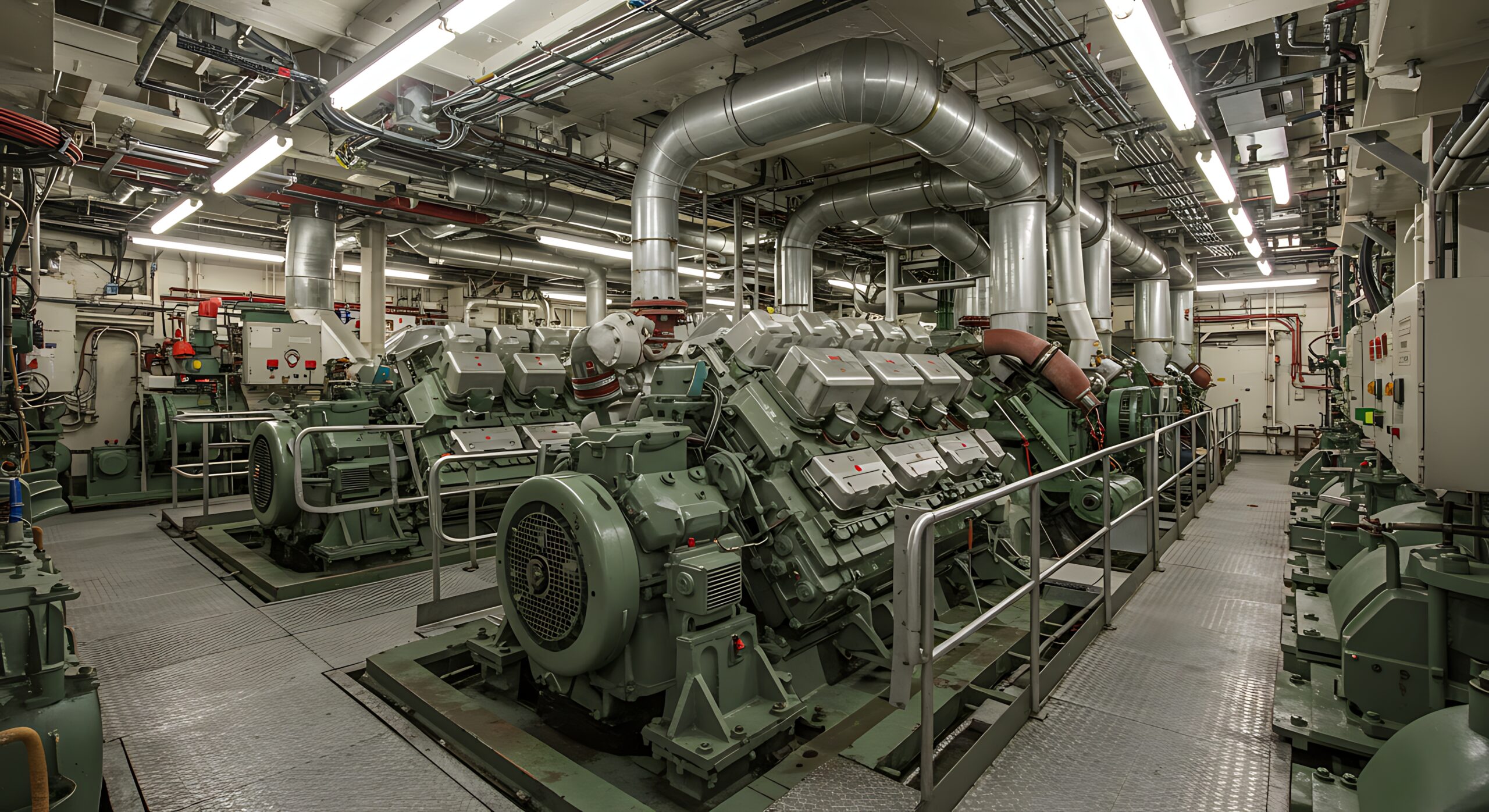
Top 5 Industries That Rely on Shell and Tube Heat Exchangers
Across different industries, reliable cooling and heat transfer are vital for smooth operation. Among the many designs used, shell and tube heat exchangers have become a cornerstone of industrial cooling systems. Their durability, versatility, and high thermal efficiency make them essential components in systems that power manufacturing plants, marine vessels, heavy machinery, and large commercial buildings.
Shell and tube exchangers are often referred to as the workhorses of industrial cooling. In real-world operating conditions, these exchangers are exposed to continuous thermal cycling, contaminants, and load fluctuations that can accelerate wear if maintenance is delayed. Built to handle extreme pressure, temperature, and flow conditions, they move heat between two fluids; one flowing through tubes and the other circulating around them inside a shell. Their simple yet robust design makes them adaptable for both liquid and gas applications across multiple sectors.
From keeping generators and turbines online to cooling marine engines and HVAC chillers, these exchangers quietly sustain critical operations every day. Below are the five industries that rely most heavily on shell and tube heat exchangers and why expert maintenance is essential for keeping them at peak performance.
1. Power Generation: Reliable Cooling for Critical Systems
In power generation, reliability is everything. Shell and tube heat exchangers are central to cooling engines, turbines, and lubricating systems that run continuously under heavy load. They regulate temperatures in generator cooling circuits, oil coolers, and intercoolers to prevent overheating and maintain system balance.
Fouling, corrosion, and scaling are common challenges in this environment. When heat transfer efficiency drops, cooling capacity decreases, raising operational temperatures and stressing critical components. Regular cleaning, retubing, and leak testing keep exchangers operating efficiently and prevent unplanned outages that can disrupt energy supply.
For power plants, hospitals, and data centers that rely on uninterrupted power, proactive maintenance programs play a vital role in uptime and compliance.
2. Marine and Shipping: Cooling Systems Built for Harsh Environments
Marine vessels face some of the harshest conditions for heat exchangers. Saltwater, vibration, and continuous operation create an environment prone to corrosion and biofouling. Shell and tube exchangers are used extensively on ships for cooling main and auxiliary engines, hydraulic systems, and freshwater generators.
Over time, salt deposits and marine growth can restrict water flow and reduce heat transfer. Corrosion inside the tubes may lead to leaks that compromise system performance. Because many vessels operate far from port, emergency repair capability is just as important as regular maintenance.
Cleaning, chemical flushing, and retubing in marine heat exchanger maintenance help restore efficiency while preventing contamination between cooling circuits. Partnering with a specialist like RingHX gives marine operators access to rapid, reliable service, which is critical for avoiding costly downtime and keeping vessels on schedule.
3. Industrial Manufacturing and Processing: Process Cooling and Heat Transfer
Shell and tube heat exchangers are fundamental to industrial processing across multiple sectors. Refineries, chemical plants, pulp and paper mills, and food production facilities all rely on precise temperature control to maintain product quality and process stability.
In these environments, exchangers are used for condensing vapors, cooling liquids, and transferring heat between process streams. They handle everything from steam recovery in refineries to temperature control in fermentation and pasteurization lines. The scale of these systems means even a minor drop in heat transfer efficiency can affect production rates and energy costs.
Routine maintenance, including mechanical cleaning and flow testing, keeps process temperatures consistent and equipment running within design limits. Over time, refurbishment or recoring can return aging exchangers to like-new performance, saving both time and capital compared to full replacement.
By partnering with experienced technicians, manufacturing plants gain long-term reliability and predictable operating performance, which supports consistent output and lower operational costs.
4. Commercial HVAC and Building Systems: Chillers, Condensers, and Heat Transfer
In large commercial and institutional facilities, shell and tube heat exchangers form the backbone of many HVAC systems. They appear in chillers, condensers, and heat recovery units that regulate building temperature year-round. Office towers, hospitals, malls, and universities all rely on these systems to maintain comfortable and efficient indoor climates.
Over time, scale and biological buildup reduce thermal efficiency, forcing chillers to consume more energy. This raises costs and can shorten system life. Regular cleaning and performance testing restore optimal flow and heat transfer while maintaining compliance with building energy standards.
For building engineers and facility managers, maintenance also prevents costly breakdowns during peak demand seasons. By keeping exchangers clean and efficient, operators reduce strain on compressors and pumps, improving system performance and occupant comfort.
RingHX provides professional maintenance and refurbishment services for commercial HVAC exchangers, helping clients protect energy efficiency and system longevity.
5. Heavy Equipment and Locomotive Applications: High-Load Cooling Applications
The durability of shell and tube heat exchangers makes them ideal for high-demand environments such as construction, mining, and transportation. Heavy-duty engines and locomotives generate intense heat under sustained load, and their cooling systems depend on exchangers to regulate temperatures.
In these systems, exchangers cool engine oil, hydraulic fluids, and charge air. Dust, debris, and vibration cause wear over time, while internal fouling or fluid contamination can limit flow and heat transfer. Regular inspection, cleaning, and repair reduce the risk of overheating and downtime in critical operations.
When equipment is sidelined for cooling issues, project timelines and budgets suffer. Fast, reliable repair services help fleet and maintenance managers restore equipment performance quickly and keep operations running smoothly. RingHX supports these industries with precision repair, retubing, and testing services for exchangers of all sizes and configurations.
Why Maintenance Matters Across Industries

Across all these industries, the benefits of maintaining shell and tube heat exchangers are clear:
- Reduced Downtime: Clean, well-maintained exchangers operate reliably and prevent costly shutdowns.
- Improved Efficiency: Removing fouling and corrosion restores optimal heat transfer performance.
- Extended Equipment Life: Routine cleaning and repair extend service life and delay replacement costs.
- Lower Operating Costs: Efficient systems consume less energy and require fewer emergency repairs.
- Regulatory Compliance: Maintenance supports environmental and operational standards in power, manufacturing, and marine sectors.
Heat exchanger performance directly affects production reliability, energy consumption, and safety. A proactive maintenance strategy is the most effective way to protect uptime and manage lifecycle costs.
Expertise That Spans Every Sector
With more than 60 years of experience servicing industrial heat exchangers across power generation, marine, manufacturing, HVAC, and heavy equipment environments, RingHX supports both planned maintenance and urgent repair needs throughout Ontario. The team specializes in repairing, cleaning, and refurbishing shell and tube heat exchangers, with an understanding of the unique challenges each operating environment presents.
With advanced tools, experienced technicians, and a commitment to quality, we’ll deliver results that restore efficiency and extend the lifespan of critical cooling systems. Services include chemical cleaning, mechanical tube cleaning, retubing, hydrostatic testing, and custom fabrication for aging or damaged units.
Partnering with a trusted specialist allows contractors, engineers, and operators to focus on their core operations while maintaining reliable cooling performance where it matters most.
No matter your industry, RingHX has the expertise to service shell and tube heat exchangers. Schedule an inspection to assess system condition and discuss maintenance or repair options that support reliable operation.
Frequently Asked Questions
Q: What makes shell and tube heat exchangers so popular across industries?
A: Their simple, robust design allows them to handle high pressure, temperature, and flow conditions. They’re versatile enough for cooling, heating, and condensing applications. This makes them ideal for power generation, industrial, marine, and HVAC systems.
Q: How often should shell and tube exchangers be cleaned or inspected?
A: Most systems benefit from annual inspection and cleaning, though high-demand or contaminated environments may need more frequent service. Regular maintenance prevents fouling, corrosion, and performance loss. Cleaning schedules should align with operational cycles and manufacturer guidelines.
Q: What are the signs of a fouled or failing heat exchanger?
A: Common signs include rising operating temperatures, pressure drops, and reduced flow rates. Visible leaks, vibration, or unusual noises may also indicate internal blockages or tube failure. Addressing these symptoms early prevents major equipment damage.
Q: Can shell and tube heat exchangers be repaired instead of replaced?
A: Yes. Retubing, recoring, and chemical cleaning can restore full performance at a fraction of the cost of new equipment. Professional repair services also extend equipment life and reduce downtime.
Q: What industries does RingHX serve for exchanger repair and maintenance?
A: RingHX works with clients in power generation, industrial processing, marine operations, commercial HVAC, and heavy equipment. The team provides customized service for all types of shell and tube exchangers, supporting both scheduled maintenance and emergency repairs.