
Power Generation Maintenance: The Role of Radiators and Heat Exchangers
In every power generation system, heat control determines performance and reliability. Engines, generators, turbines, and compressors produce massive amounts of heat that must be managed efficiently to maintain steady output. Without proper cooling, systems overheat, efficiency drops, and critical operations come to a halt. Effective power generation maintenance, which focuses on radiators and heat exchangers, keeps energy flowing and operations running without costly interruptions.
Power generation facilities, from hospitals and data centers to industrial plants and utilities, rely on continuous operation. Even a short period of downtime can affect production schedules, patient safety, or data protection. Cooling systems are often the silent backbone of this reliability. Regular inspection, cleaning, and repair of radiators and heat exchangers are key to keeping power systems stable and extending their service life.
Why Cooling Systems Are Essential in Power Generation
Every generator or turbine depends on a stable operating temperature. When cooling systems fail, heat builds up inside engines and mechanical components, causing damage that can lead to full system shutdowns. Radiators and heat exchangers regulate those temperatures by transferring excess heat away from the system’s core.
In power plants, large-scale diesel and natural gas generators use radiators to cool engine coolant before it recirculates. Heat exchangers perform a similar function by transferring heat between fluids, commonly oil, air, or water, to maintain efficiency. Together, these components protect engines, reduce wear, and prevent overheating during peak demand.
For mission-critical operations such as hospitals, data centers, and manufacturing facilities, reliable cooling isn’t optional; it’s the difference between uptime and outage.
Radiators in Power Generation Systems
Industrial radiators manage cooling for both primary and backup power systems. They control coolant temperature within engines and generators that must operate for long hours under load. When radiators become clogged, corroded, or damaged, heat transfer efficiency drops sharply.
Common issues include:
- Corrosion: Exposure to coolant contaminants or moisture leads to weakened metal and leaks.
- Clogged Fins and Tubes: Dirt, debris, and scale reduce airflow and block coolant flow.
- Leaks and Pressure Loss: Aging seals and solder joints develop small leaks that impact pressure balance.
- Physical Damage: Vibrations or impacts can bend fins, crack tanks, or loosen fittings.
Radiator repair and rebuild services address these issues before they cause major breakdowns. Recoring, cleaning, and pressure testing restore performance while extending radiator lifespan. For facilities running critical power systems, these repairs can mean the difference between steady operation and an unexpected shutdown.
Heat Exchangers in Power Generation
While radiators handle air-cooled systems, heat exchangers manage liquid-to-liquid or liquid-to-air heat transfer. In the power generation industry, they play a vital role in oil cooling, charge air cooling, and turbine efficiency.
The most common designs are shell-and-tube and plate-type exchangers, and each has unique maintenance challenges:
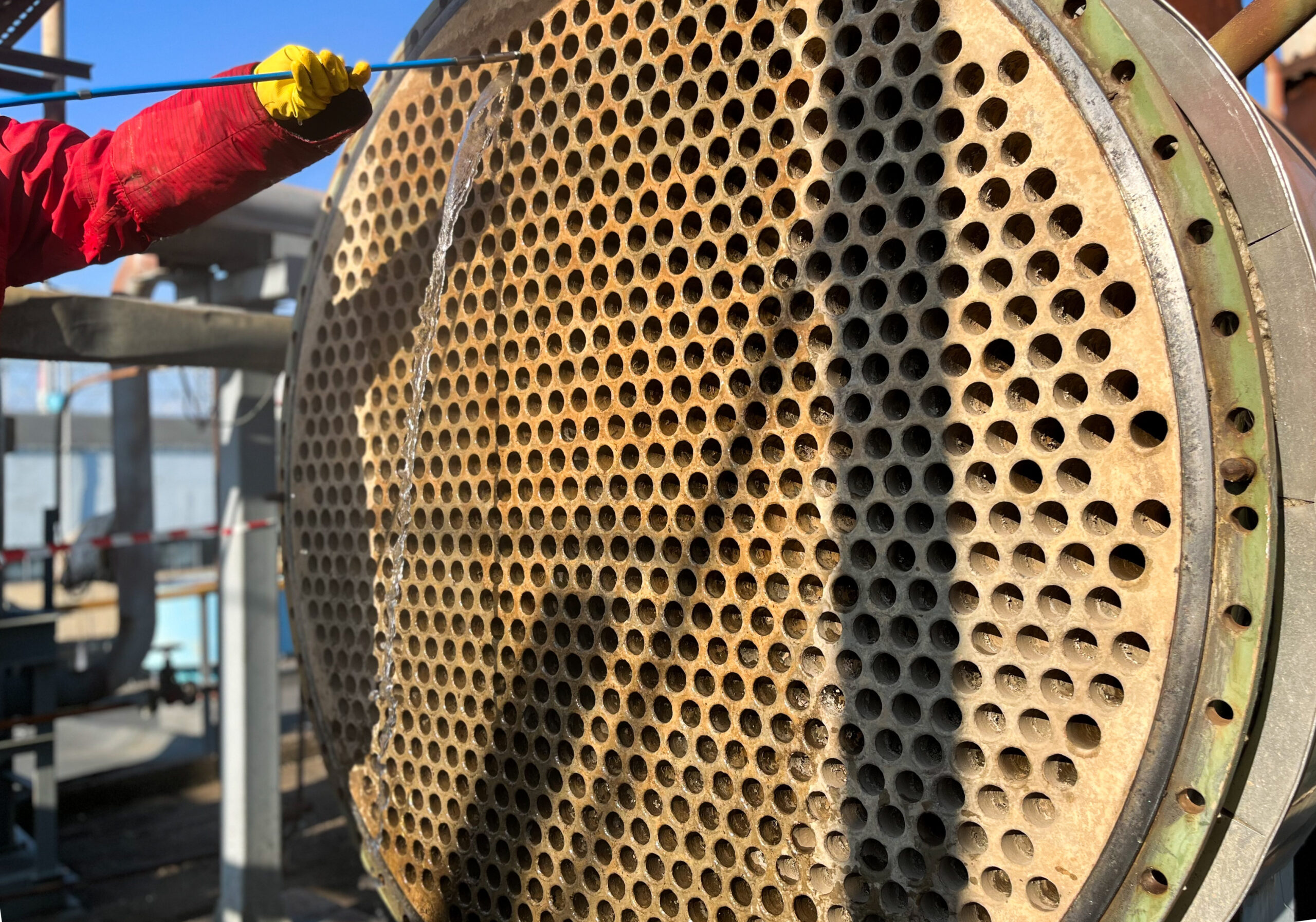
- Fouling: Mineral buildup or contamination restricts fluid flow and lowers efficiency.
- Tube Thinning: Over time, corrosion or erosion weakens metal walls, leading to leaks or cross-contamination.
- Pressure Drops: Blockages or surface damage increase resistance and reduce cooling capacity.
Regular inspection and cleaning prevent these issues. Tube cleaning, retubing, and chemical flushing are standard maintenance procedures that keep heat exchangers running effectively. When performed on schedule, these services restore system balance and protect critical assets like compressors, engines, and turbines.
The Cost of Downtime in Power Generation
Every minute of downtime in a power generation system carries significant consequences. Facilities may lose productivity, disrupt essential services, or risk compliance violations. In hospitals and data centers, even brief outages can compromise safety or data integrity.
Unexpected failures caused by neglected radiators or heat exchangers can lead to prolonged shutdowns. The cost of replacing damaged components often far exceeds that of routine maintenance or repair. Proactive inspection programs and timely servicing minimize these risks, saving both time and money.
Maintenance managers and mechanical contractors recognize that preventive care is not just good practice; it’s essential for reliability.
Maintenance Best Practices for Power Generation Cooling Systems
Radiators and heat exchangers operate under constant thermal and mechanical stress. Developing a consistent maintenance plan keeps these components in top condition and reduces the risk of costly breakdowns.
1. Regular Cleaning
Deposits of dust, oil, and scale accumulate on radiator fins and inside exchanger tubes. Scheduled chemical or hydroblasting cleaning restores heat transfer efficiency and reduces operating temperatures.
2. Leak Detection and Pressure Testing
Early detection of leaks prevents coolant loss and corrosion. Pressure testing confirms system integrity before returning units to service.
3. Recoring and Retubing
Replacing worn cores or tubes restores original cooling capacity. This process is far more cost-effective than full equipment replacement.
4. Visual Inspections and Flow Testing
Routine inspection identifies early signs of corrosion, erosion, or clogging. Flow testing verifies proper performance under real-world conditions.
5. Scheduled Maintenance Programs
Establishing preventative maintenance schedules keeps systems reliable and compliant with safety standards. It also allows for planned downtime instead of emergency shutdowns.
Each of these practices extends the service life of cooling systems and supports continuous power generation.
Extending Equipment Life Through Expert Maintenance
A well-maintained radiator or heat exchanger can operate efficiently for decades. Consistent cleaning and refurbishment prevent small issues from developing into major failures. For power generation systems that run continuously or as emergency backups, this reliability protects critical infrastructure and operational budgets.
Proper maintenance also supports sustainability goals. Repairing and refurbishing existing components reduces waste and material consumption compared to full replacement. This approach not only saves costs but also aligns with long-term energy efficiency targets.
Partnering with Specialists for Power Generation Maintenance
Contractors, service providers, and facility managers often rely on expert partners to handle specialized radiator and heat exchanger work. Power generation cooling systems require precision service, advanced equipment, and experienced technicians who understand the complexity of these assets.
RingHX provides specialized repair, cleaning, and testing services for generator radiators, charge air coolers, oil coolers, and other heat exchangers used in power generation. The team’s expertise covers everything from small-scale units to large industrial systems.
Working with a dedicated cooling system specialist delivers:
- Faster turnaround times to minimize downtime
- Accurate diagnostics and testing for long-term reliability
- Access to advanced repair and recore capabilities
- Technical documentation and certification for compliance requirements
- A trusted partnership built on performance and responsiveness
For contractors managing multiple client sites or facility managers responsible for mission-critical operations, having a partner like RingHX provides peace of mind that cooling systems are always ready to perform.
Reliable Maintenance for Continuous Power
The success of any power generation operation depends on reliability. Radiators and heat exchangers keep systems balanced, protect against overheating, and sustain long-term efficiency. Without proactive maintenance, even the best equipment can fail under load.
Professional cleaning, testing, and repair protect investments, prevent downtime, and extend the lifespan of power generation assets. By working with specialists who understand the demands of industrial cooling systems, operations can stay ahead of potential failures and maintain continuous output.
Partner with RingHX for proactive radiator and heat exchanger maintenance to keep your power systems running smoothly without unexpected downtime.
Frequently Asked Questions
Q: How often should radiators and heat exchangers in power generation systems be serviced?
A: Most systems benefit from semi-annual inspections and cleaning, though high-demand environments may require more frequent attention. The optimal schedule depends on system type, operating hours, and environmental conditions. Regular maintenance helps detect small issues before they become costly failures.
Q: What’s the difference between a radiator and a heat exchanger?
A: Radiators primarily use air to cool fluids, while heat exchangers transfer heat between two fluids, such as oil and water. Both perform critical cooling functions but serve different system designs within power generation. Maintenance requirements vary based on their operating environments.
Q: Why does fouling occur in heat exchangers?
A: Fouling results from mineral scaling, corrosion, or contamination buildup inside exchanger tubes. It reduces thermal efficiency and increases operating pressures. Routine cleaning and chemical treatment prevent these deposits and keep systems performing efficiently.
Q: Can radiator and heat exchanger repairs match new-equipment performance?
A: Yes. When serviced by specialists using advanced cleaning and recore techniques, repaired components can meet or exceed OEM performance standards. Testing and certification confirm their reliability under operating conditions.
Q: What happens if radiator or heat exchanger maintenance is delayed?
A: Delaying maintenance leads to reduced cooling efficiency, higher operating temperatures, and potential component failure. In power generation, that means costly downtime and the risk of damaging engines or turbines. Preventive service protects uptime and extends system life.