
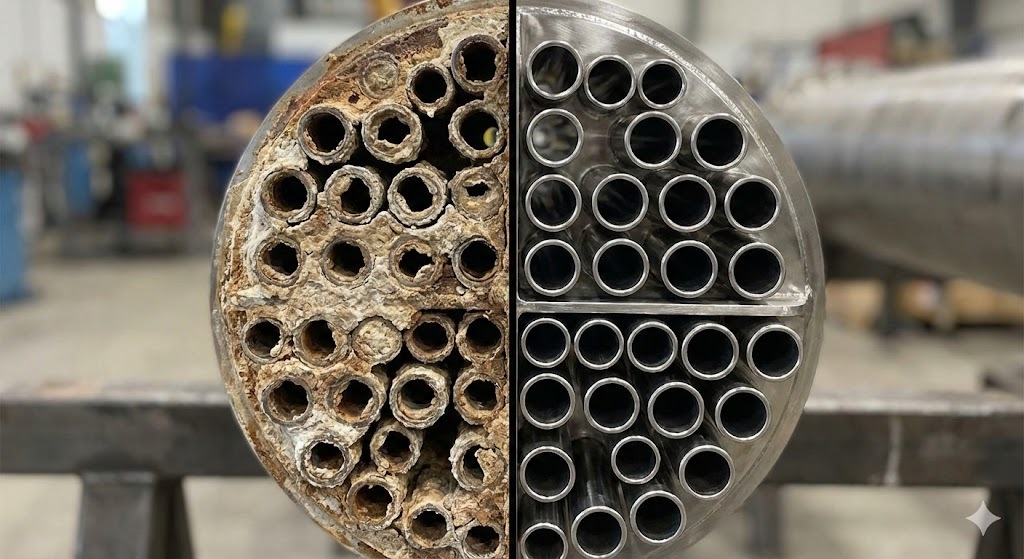
What Causes Heat Exchanger Fouling and How to Fix It
Heat exchangers are critical to efficient energy transfer in industrial, marine, and HVAC systems. They maintain temperature balance, protect equipment, and keep operations running smoothly. When heat exchanger fouling occurs, efficiency drops, energy costs rise, and the risk of costly downtime increases. Understanding what causes heat exchanger fouling and how to fix it can make the difference between reliable operation and unplanned shutdowns.
Fouling affects every type of exchanger, from shell and tube systems in industrial plants to compact plate designs in marine engines and HVAC systems. While the causes vary by application, the result is the same: reduced heat transfer efficiency, increased pressure drops, and higher energy consumption. Regular cleaning and maintenance not only restores performance but also extends the life of critical equipment.
What Is Heat Exchanger Fouling?
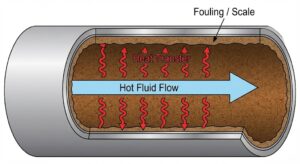
Fouling is the buildup of unwanted materials on the internal surfaces of a heat exchanger. These deposits act as insulation, limiting heat transfer between fluids. As fouling accumulates, flow resistance increases, forcing pumps and fans to work harder to maintain performance.
Over time, this leads to higher operating temperatures, pressure drops, increased wear, and even system failure. The most common types of fouling include:
- Scaling: Hard mineral deposits from calcium, magnesium, or silica in untreated water.
- Corrosion Fouling: Oxidation and metal degradation that release particles into the flow stream.
- Particulate Fouling: Dust, silt, or debris carried by process fluids or air.
- Biological Fouling: Microorganisms, algae, or barnacles that attach to surfaces that are common in marine systems.
- Chemical or Oil Fouling: Organic residues from oil, lubricants, or process chemicals.
Each type of fouling requires specific cleaning techniques and preventive measures.
Industrial Manufacturing: Scale, Oil, and Process Deposits
In industrial environments such as refineries, chemical plants, and process manufacturing facilities, heat exchangers handle complex fluids and operate under extreme conditions. Fouling here typically comes from mineral scaling, oil residue, or reaction by-products.
When water with high mineral content circulates through exchangers, calcium and magnesium form hard scale deposits on tube surfaces. These deposits can reach several millimetres thick, cutting heat transfer efficiency by half or more. Oil residue and chemical fouling are also common in systems that process hydrocarbons or other organic materials.
The results are reduced throughput, inconsistent process temperatures, and rising maintenance costs. Over time, tubes can overheat and weaken, leading to leaks or total equipment failure.
How It’s Fixed:
Industrial exchangers are often cleaned with chemical descaling solutions that safely dissolve mineral buildup. Hydroblasting is another option for removing thicker deposits from tubes and shells. In severe cases, retubing or recoring services may be required to restore full performance.
Regular inspection programs and water treatment help prevent recurrence, keeping exchangers efficient and compliant with industry standards.
Marine Systems: Saltwater Corrosion and Biofouling
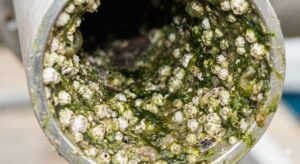
Marine and offshore systems face a unique set of fouling challenges. Saltwater is corrosive, and biological growth can develop quickly inside cooling systems. Biofouling, which includes algae, barnacles, and bacteria, can clog tubes and block fluid flow, reducing cooling capacity and putting engines at risk.
Saltwater also leaves behind deposits of sodium chloride and other minerals that harden on metal surfaces. Combined with vibration and continuous operation, these conditions accelerate corrosion, leading to pinhole leaks or cross-contamination between fluids.
When marine heat exchangers foul, engine cooling efficiency drops, temperatures rise, and performance suffers. This can result in power loss or unplanned shutdowns that disrupt shipping schedules and increase operating costs.
How It’s Fixed:
Marine heat exchangers are typically serviced with high-pressure hydroblasting or chemical cleaning using marine-safe solutions that remove biological and salt deposits without damaging internal metals. For severe corrosion, retubing with upgraded materials like copper-nickel or titanium provides better resistance in saltwater environments.
Regular maintenance and antifouling coatings reduce growth rates and extend exchanger lifespan, keeping fleets reliable and compliant with maritime standards.
HVAC and Commercial Applications: Dust and Mineral Buildup
In commercial buildings, hospitals, and data centers, heat exchangers play a vital role in climate control and energy efficiency. Over time, airborne debris, dust, and untreated water cause fouling in condensers, evaporators, and chillers.
When airflow or water circulation is restricted by debris or mineral deposits, system efficiency drops and compressors must work harder to maintain target temperatures. This leads to higher energy bills and increased wear on mechanical components.
Even small amounts of fouling can have a major impact. A 1mm layer of scale can reduce heat transfer efficiency by up to 10%, significantly affecting performance across large systems.
How It’s Fixed:
HVAC exchangers are commonly cleaned using chemical flushing, mechanical brushing, or coil cleaning methods. In larger systems, heat exchanger tubes may require hydroblasting to clear sediment and restore flow.
Routine cleaning schedules, combined with water treatment and filtration, are the most effective ways to control fouling in HVAC systems. Preventive maintenance also helps reduce unexpected service calls during peak heating or cooling seasons.
The Cost of Neglecting Heat Exchanger Fouling
Ignoring fouling comes with serious consequences. As buildup grows, systems must consume more energy to maintain performance. This increased demand raises utility costs and shortens the lifespan of connected equipment such as pumps, fans, and compressors.
In industrial and marine environments, the cost of downtime can reach thousands of dollars per hour. For hospitals or data centers, it can mean disrupted operations and safety risks. Overheated systems also pose environmental and compliance concerns if leaks or failures release contaminants.
Routine maintenance and inspection programs are the simplest way to avoid these problems. Investing in cleaning and repair services keeps systems running efficiently and protects equipment from long-term damage.
How to Prevent Heat Exchanger Fouling
While fouling can’t be eliminated completely, it can be controlled with consistent maintenance, cleaning strategies, and system monitoring.
1. Scheduled Inspections
Visual inspections and flow testing identify early signs of fouling, allowing cleaning before efficiency drops.
2. Filtration and Strainers
Proper filtration removes particulates and contaminants before they reach the exchanger, reducing the potential for fouling.
3. Water and Fluid Treatment
Treating process fluids with corrosion inhibitors and descalers helps control mineral and biological buildup.
4. Cleaning Programs
Annual or semiannual cleaning, depending on system load and environment, keeps exchangers performing efficiently.
5. Upgraded Materials and Coatings
Corrosion-resistant alloys and antifouling coatings can reduce surface buildup and improve durability in demanding applications.
Combining these measures creates a proactive maintenance plan that minimizes fouling and extends the life of valuable equipment.
Partnering with a Heat Exchanger Specialist
Contractors, facility managers, and marine operators often work with general service teams that handle day-to-day maintenance. But when fouling becomes a serious problem, they turn to specialists who understand the complex dynamics of industrial heat exchangers.
RingHX provides professional cleaning, retubing, and refurbishment services for all types of exchangers, including shell and tube, plate, and oil coolers. The team has extensive experience across marine, industrial, and HVAC systems, offering fast turnaround and long-lasting results.
Using advanced cleaning methods and diagnostic testing, we’ll restore the heat transfer efficiency, reduce downtime, and help clients control maintenance costs.
Don’t Let Fouling Shut You Down
Heat exchanger fouling is one of the most common causes of performance loss across industrial and marine systems. Regular maintenance and expert cleaning are the best defences against high energy costs and unexpected failures.
Don’t let fouling shut you down. Book a professional inspection and cleaning with RingHX to restore performance and prevent costly failures.
Frequently Asked Questions
Q: What causes heat exchanger fouling?
A: Fouling occurs when unwanted materials like scale, oil, corrosion, or biological matter build up on exchanger surfaces. These deposits act as insulation, reducing heat transfer efficiency. Environmental conditions, poor water quality, and neglected maintenance accelerate fouling.
Q: How does fouling affect heat exchanger performance?
A: Fouling restricts fluid flow and increases thermal resistance, which raises operating temperatures and energy costs. Over time, it can cause overheating, tube failure, or total system shutdown. Regular cleaning restores performance and reduces strain on connected equipment.
Q: What’s the best way to clean a fouled heat exchanger?
A: The right cleaning method depends on fouling type and system design. Common methods include chemical descaling, hydroblasting, and mechanical brushing. A qualified technician determines the safest and most effective approach for each unit.
Q: Can fouling be completely prevented?
A: While total prevention isn’t possible, it can be significantly reduced through filtration, fluid treatment, and consistent maintenance. Proactive inspection and scheduled cleaning keep exchangers efficient and extend service life.
Q: How often should heat exchangers be serviced?
A: Most systems benefit from annual cleaning and inspection, though heavily used or high-fouling environments may require more frequent service. The optimal schedule depends on water quality, operating temperature, and industry demands.