
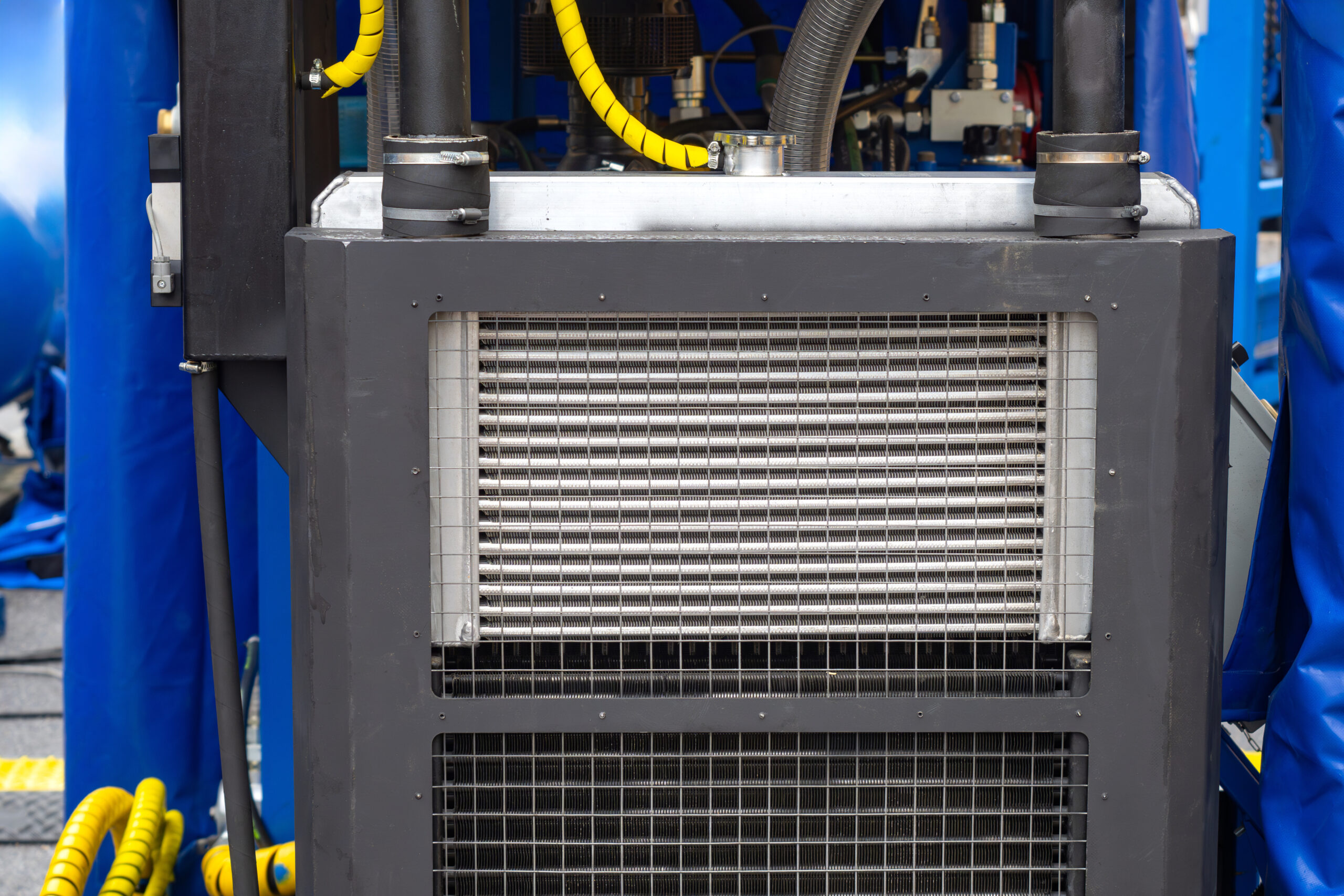
Industrial Radiator Repair: Keeping Power Generation and Heavy Equipment Running
Industrial operations rely on dependable cooling systems to keep engines, generators, and heavy machinery working efficiently. When radiators fail, the results are immediate and include overheating, shutdowns, and costly downtime. Industrial radiator repair plays a critical role in keeping power generation systems and heavy equipment running at full capacity. By repairing rather than replacing, operators and contractors can save time, reduce costs, and extend the lifespan of vital assets.
Radiators in industrial and power generation settings face some of the toughest conditions imaginable. They operate in dusty environments, under heavy load, and often for long, continuous hours. Over time, that stress leads to wear, leaks, corrosion, and clogging. Regular inspection and timely repair keep these systems in service longer and prevent interruptions that can affect production or mission-critical operations.
The Role of Radiators in Industrial Systems
Radiators are the backbone of cooling systems across industries. They regulate temperatures for diesel engines, compressors, generators, and large mechanical systems by dissipating excess heat into the surrounding air. Without effective cooling, engines quickly overheat, causing metal fatigue, warped components, and complete system failure.
In power generation, a functioning radiator is vital to maintaining a continuous power supply, whether it’s for hospitals, manufacturing plants, or backup systems. For construction, mining, and transportation, reliable cooling keeps heavy machinery and fleets operational, reducing delays and repair costs. Radiator reliability directly supports uptime, productivity, and safety.
Common Industrial Radiator Problems
Even the most durable radiators face wear from heat cycles, vibration, and environmental exposure. Some common issues with industrial radiators include:
- Leaks: Small cracks or damaged solder joints can lead to coolant loss and pressure drops.
- Corrosion: Metal surfaces degrade over time, especially when exposed to contaminants or poor-quality coolant.
- Clogging: Dirt, scale, or debris restricts flow through tubes and fins, reducing heat dissipation.
- Pressure Loss: Weak points or deteriorated seals can cause performance loss and overheating.
- Physical Damage: Heavy use, impacts, or vibration can bend fins or damage cores.
Neglecting these problems often leads to bigger failures. Early repair or recoring helps prevent complete system failure and keeps critical equipment online.
Repair vs. Replacement: Choosing the Smarter Option
Replacing an industrial radiator can be expensive and time-consuming. In many cases, repair and refurbishment provide the same level of performance at a fraction of the cost. Skilled technicians can rebuild or recore radiators to restore factory-level efficiency, often with shorter turnaround times than ordering new units.
A full replacement may make sense for severely damaged radiators, but most units can be repaired through targeted methods like cleaning, pressure testing, or re-soldering damaged tubes. The result is a radiator that performs like new, extends equipment life, and supports uninterrupted operation, all while keeping maintenance budgets under control.
Professional Radiator Repair Methods
Industrial radiator repair involves several specialized processes, each designed to restore performance and reliability.
Recore Services
Recore work replaces the radiator’s core while retaining the original tanks and frame. This method restores cooling capacity without the cost of a full replacement. Recoring is ideal for large generators, construction machinery, and heavy-duty vehicles.
Radiator Rebuilds and Refurbishment
Rebuilds go beyond simple fixes. Technicians disassemble the radiator, inspect components for wear, replace damaged sections, and reassemble it to OEM or better specifications. This approach extends the life of aging units and often improves performance.
Cleaning and Flushing
Over time, radiators accumulate sediment, oil residue, and mineral deposits that block heat transfer. Professional cleaning removes these contaminants using hydroblasting, chemical flushing, or mechanical brushing. Clean radiators improve heat exchange and prevent overheating under heavy loads, which is why regular maintenance is so important.
Testing and Certification
After repair or cleaning, radiators undergo pressure and flow testing to verify performance. Testing confirms leak-free operation and proper heat transfer before the unit returns to service. Certified testing provides confidence for contractors and facility managers responsible for compliance and reliability.
Custom Fabrication and Upgrades
For older or obsolete equipment, custom cores or upgraded materials may be fabricated to improve strength, corrosion resistance, and thermal efficiency. This approach gives aging equipment new life and reduces long-term maintenance needs.
Benefits of Industrial Radiator Repair
The benefits of professional radiator repair go beyond simple cost savings. Here are a handful to keep in mind:
- Reduced Downtime: Fast turnaround times get systems back online sooner, minimizing production or operational losses.
- Lower Costs: Repair and recore work are significantly less expensive than purchasing and installing new radiators.
- Extended Equipment Life: Refurbishment adds years of service to valuable assets and prevents premature failure.
- Improved Performance: Clean, restored radiators maintain consistent operating temperatures for better efficiency.
- Sustainability: Repairing and reusing components reduces waste and supports sustainability goals across industries.
For power generation, mining, transportation, and industrial facilities, these benefits add up to stronger performance and a lower total cost of ownership.
Industries That Depend on Radiator Repair
Power Generation
Generators used in hospitals, data centers, and industrial facilities rely on radiators to stay online during peak demand or emergencies. Regular repair and maintenance keep them ready for critical operations, preventing outages that could disrupt essential systems.
Heavy Equipment
Construction and mining operations depend on excavators, loaders, and haul trucks that operate in harsh, dusty environments. Radiator repair restores cooling efficiency, helping fleets run continuously without costly breakdowns.
Industrial Manufacturing
Plant cooling systems and compressors require steady operation. Repairing radiator leaks and blockages prevents downtime, supports compliance with thermal management standards, and reduces energy consumption.
Marine and Transportation
Marine engines, locomotives, and large transport vehicles experience heavy thermal loads. Radiator cleaning and recoring help prevent saltwater corrosion, clogging, and heat-related performance issues.
Across every sector, downtime translates into lost productivity and lost revenue. Partnering with a specialist in industrial radiator repair keeps systems working under the toughest conditions.
Why Choose RingHX for Industrial Radiator Repair?
RingHX provides expert radiator repair, rebuild, and recore services for all major industries. With experience across power generation, construction, mining, and marine applications, the team handles complex projects that demand precision and speed.
Here are some benefits:
- Fast turnaround on urgent and large-scale repairs
- Technicians trained in both traditional and modern radiator systems
- Advanced cleaning, testing, and recoring equipment
- Detailed inspection and certification for every job
- Responsive service that keeps projects and operations moving
Contractors and maintenance managers partner with us at RingHX to manage radiator repair needs efficiently and confidently. Each job is handled with technical accuracy, transparency, and a commitment to quality that supports uptime and reliability.
Keep Operations Moving with Reliable Radiator Repair
Every hour of downtime impacts productivity. Professional radiator repair restores performance, reduces energy waste, and helps heavy equipment and generators stay in service longer. Whether it’s a single radiator or an entire fleet, timely repair prevents failures that can halt operations and inflate costs.
Contact RingHX for expert industrial radiator repair and rebuilds to minimize downtime and keep your generators and heavy equipment operating reliably.
Frequently Asked Questions
Q: What are the signs that an industrial radiator needs repair?
A: Common indicators include overheating, coolant loss, pressure drops, or visible leaks. Reduced system performance or discolored coolant can also signal internal corrosion or blockage. Regular inspection helps identify these issues before they cause major failures.
Q: How long does radiator repair usually take?
A: Repair time depends on the size, condition, and complexity of the radiator. Most repairs can be completed within days, while large rebuilds or custom fabrications may take longer. Fast turnaround is a top priority to minimize downtime.
Q: What’s the difference between recoring and replacing a radiator?
A: Recoring replaces only the central core while keeping the tanks and frame intact. This restores full cooling performance at a lower cost and shorter turnaround than full replacement. It’s one of the most common and effective repair methods.
Q: Can repaired radiators perform as well as new ones?
A: Yes. When repaired or recored by experienced specialists, radiators can perform to original specifications or better. Testing and certification confirm that heat transfer and pressure performance meet industry standards.
Q: Why choose professional radiator repair over in-house maintenance?
A: Professional repair services have the tools, testing equipment, and technical expertise to handle complex jobs safely and efficiently. In-house teams may not have access to specialized equipment or materials. Working with a specialist saves time and delivers reliable, verified results